
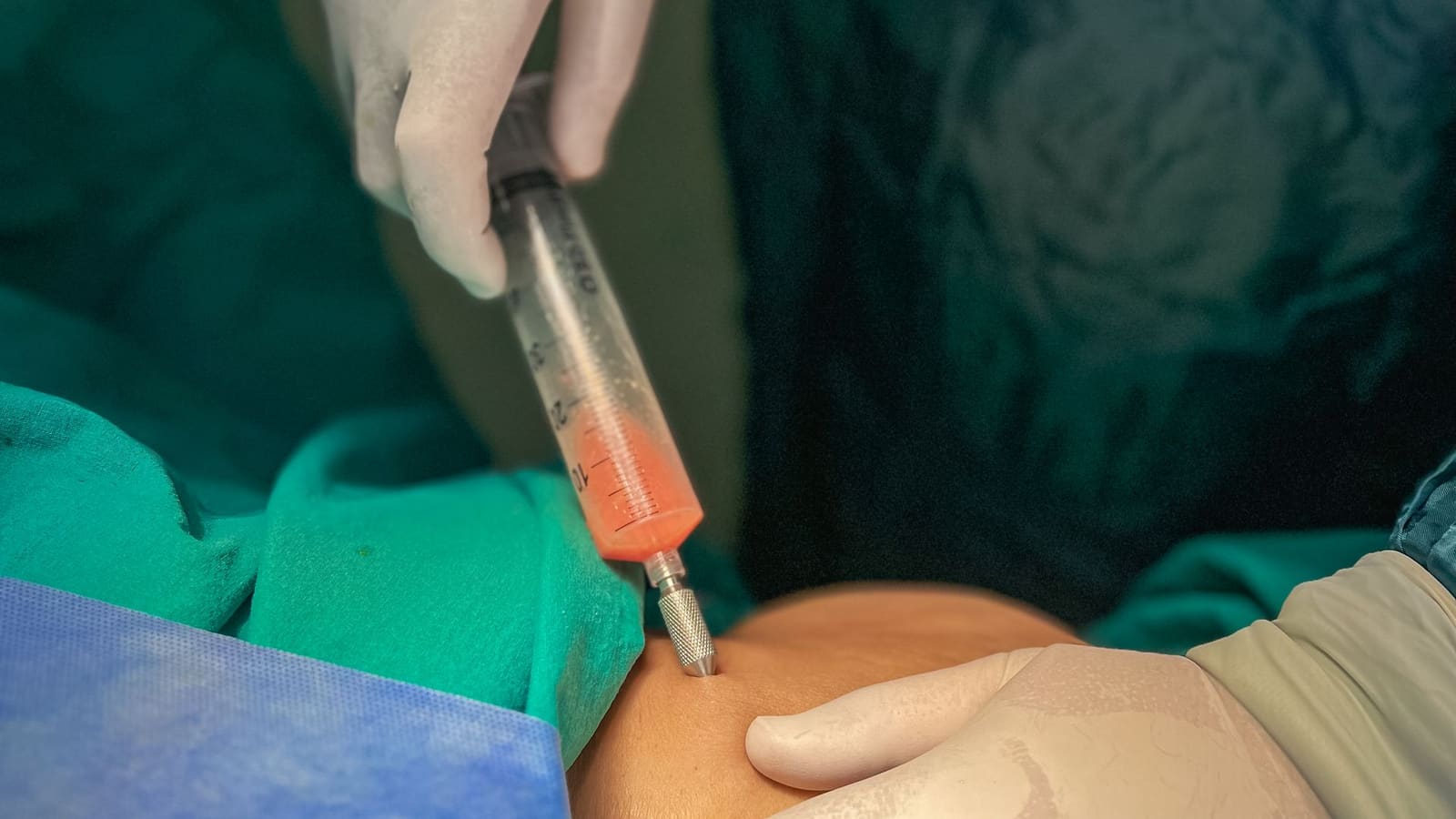
“Interventional pain management” is the phrase clinics use for treating pain with targeted, usually image-guided procedures rather than medication alone. If a clinic has offered you an injection, a block, or an ablation — or you’re trying to decide whether a procedural clinic is the right kind for you — here is what those words actually mean.
The core toolkit
Epidural steroid injection (ESI). Anti-inflammatory medication delivered into the epidural space, near irritated spinal nerve roots, under X-ray (fluoroscopic) guidance. The most common use is radicular pain — pain that shoots down a leg (sciatica) or arm because a nerve root is inflamed by a disc or narrowed canal. Relief is real but usually temporary; the goal is often to open a window for physical therapy.
Nerve block. An injection of numbing medication (sometimes with steroid) around a specific nerve or group of nerves. Blocks do double duty: they can treat pain, and they can diagnose it — if numbing a particular nerve eliminates your pain for a few hours, that nerve is implicated. Diagnostic blocks are how careful clinics decide whether a longer-lasting procedure is worth doing.
Facet joint injection. The facets are the small paired joints at the back of each spinal level. When they’re arthritic, they cause localized back or neck pain that worsens with extension or rotation. Injecting them — or blocking the small medial branch nerves that serve them — both confirms the source and relieves it.
Radiofrequency ablation (RFA). After a positive diagnostic block, RFA uses heat from a specialized needle to quiet the small nerve carrying the pain signal, typically for facet-related back or neck pain. Relief commonly lasts months to a year or more; the nerve can regrow, and the procedure can be repeated. The sequence matters: a well-run clinic ablates after a block has proven the target, not before.
Spinal cord stimulation (SCS). An implanted device that masks pain signals with mild electrical pulses, considered for severe chronic pain that hasn’t responded to other treatment — persistent pain after spine surgery and certain nerve pain conditions are the classic cases. It is the one item here that’s a genuine surgical commitment, and it’s always preceded by a temporary trial period with external leads, so you know whether it helps before anything is implanted.

What a good procedural workup looks like
The procedures above are safe and routine in qualified hands, but their value depends entirely on aiming them at the right structure. Before any procedure, a careful interventional clinic will:
- Review your imaging and history — not just order the procedure your referral mentioned.
- Examine you and reconcile what the exam says with what the MRI says (the two disagree more often than people expect).
- Explain the diagnostic logic — which structure they suspect, why, and how this procedure tests or treats it.
- Use image guidance — fluoroscopy or ultrasound. Precision is the entire premise of interventional pain.
- Define success in advance — how much relief, for how long, and what the next step is in either outcome.
If you’re getting a third identical injection that hasn’t helped twice, ask what the plan is. “The same thing again” is not a plan.
Is a procedural clinic the right kind for you?
Interventional clinics shine when pain traces to a specific structure — a nerve root, a facet joint, a sacroiliac joint. They are a poorer fit for widespread pain like fibromyalgia, where a multidisciplinary approach usually serves better.
In our directory, clinics registered under the federal interventional pain medicine taxonomy are flagged on every profile — it’s one of the objective signals in how we rank, and the fastest way to find genuinely procedural practices near you.
This article is educational and is not medical advice. Whether any procedure fits your situation is a decision for a licensed clinician who has examined you.